Footage from
Duck and Cover
1952 Castle Films production recommending steps to be taken by children for safety in school responding to atomic bomb attack by a rival Cold War power.
Resources to Understand the
why Behind AP US history Scoring
Master the test

Multiple Choice Questions

50 questions in 50 minutes
3 essays in 50 minutes1 freeform essay in 40 minutes
7 documents, one essay in 45 minutes
Primary Source Archive
⧉
Primary Source Archive ⧉
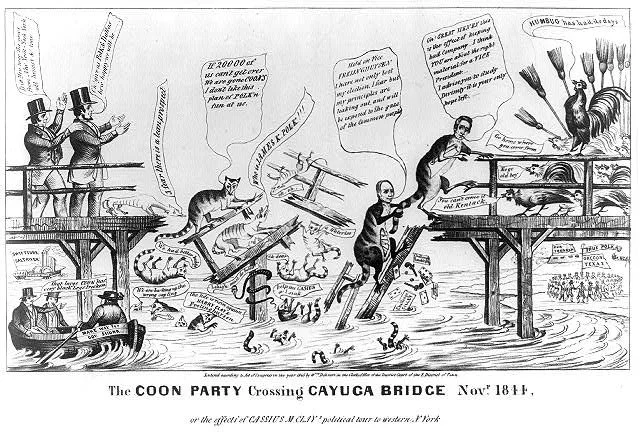
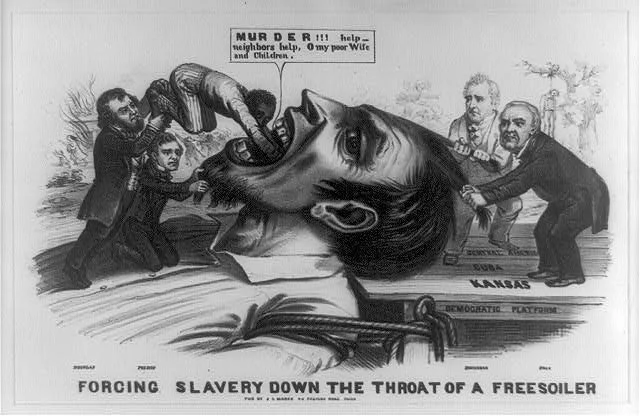
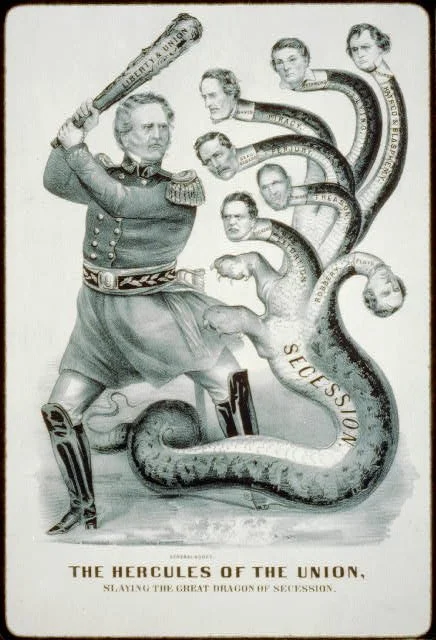
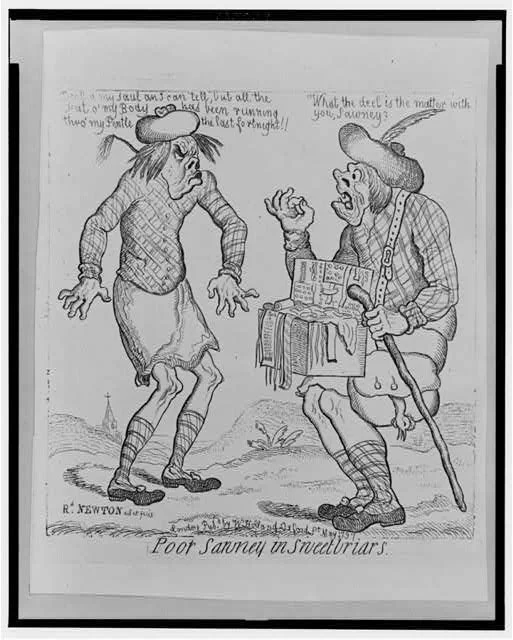
PoLitical Cartoons
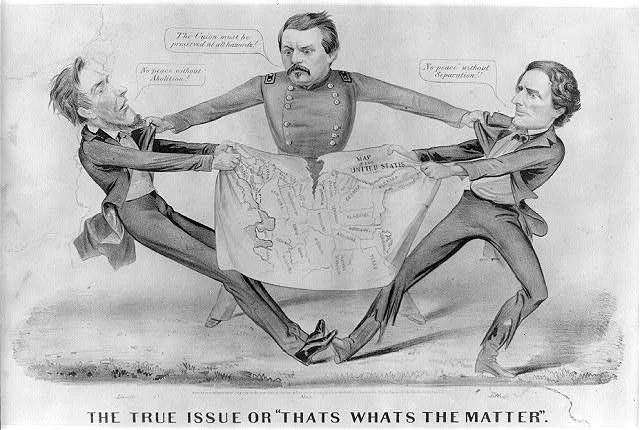
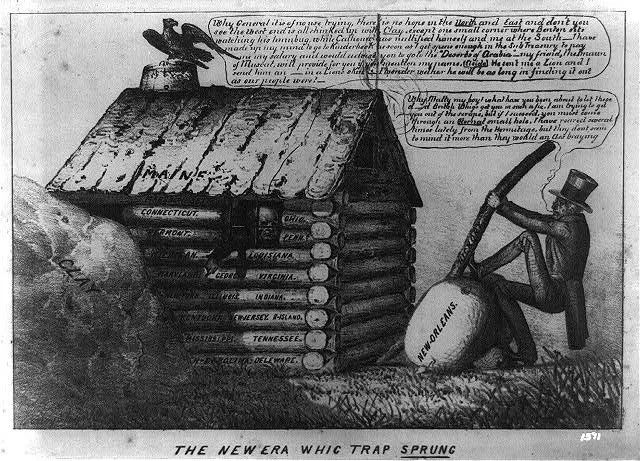
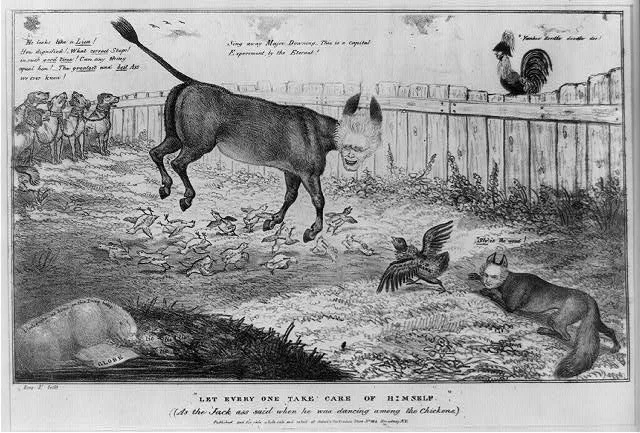
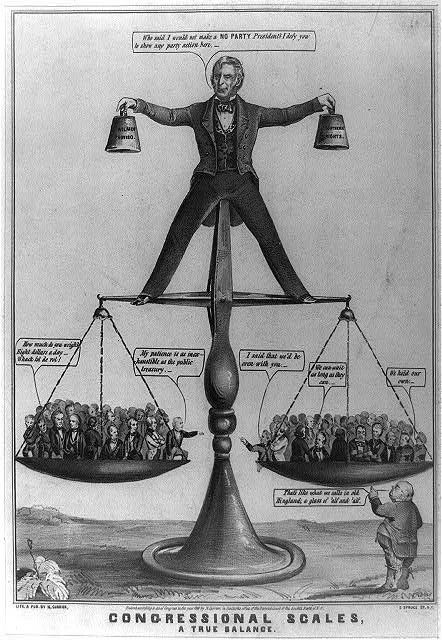
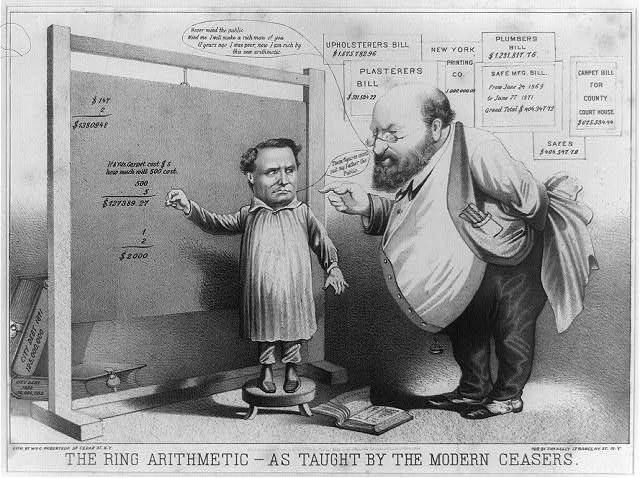
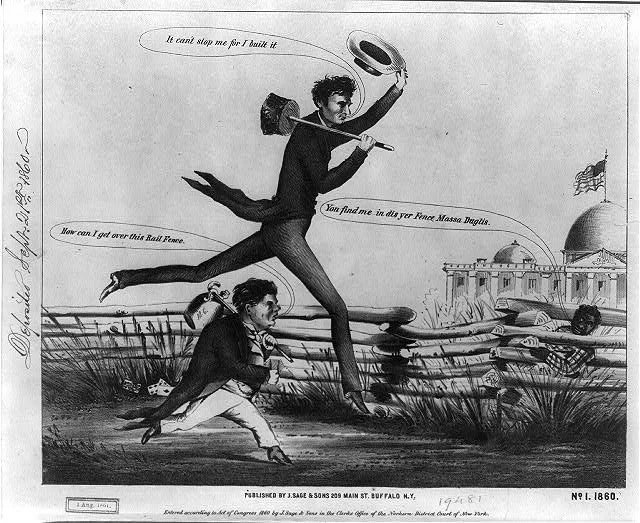
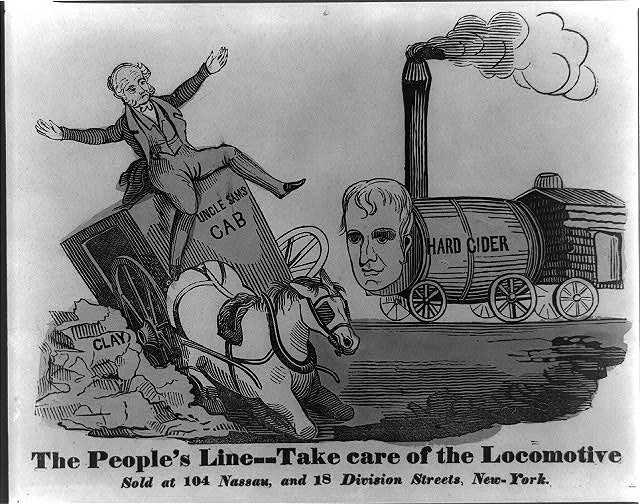
In my classroom and my coaching sessions, I treat political cartoons as the "storyboards" of history. Long before we had 24-hour news cycles and social media, these illustrations were the primary way people deconstructed the power dynamics of their era.
I love teaching with cartoons because they force us to move beyond the dry text and engage with the emotional pulse of the past. A single image can capture the tension of the Gilded Age or the anxieties of the Cold War more vividly than ten pages of a textbook. They are designed to be "read," but they require a specific set of analytical tools to unlock.
When we look at a cartoon together, we are doing "backstage" detective work. We identify the symbols, the caricatures, and the subtle ironies that the artist used to influence their audience. For an APUSH student, mastering this skill is essential; the College Board loves to use visual stimuli to test your ability to understand point of view and historical context.
WPA Posters
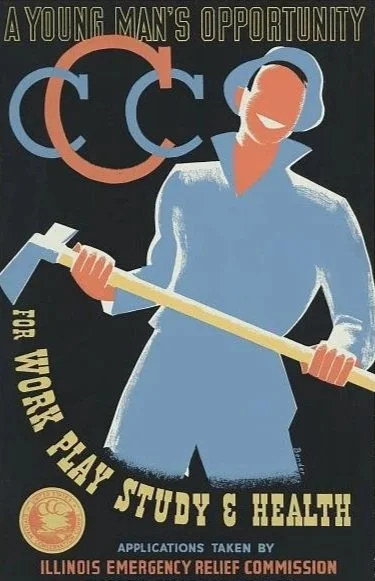
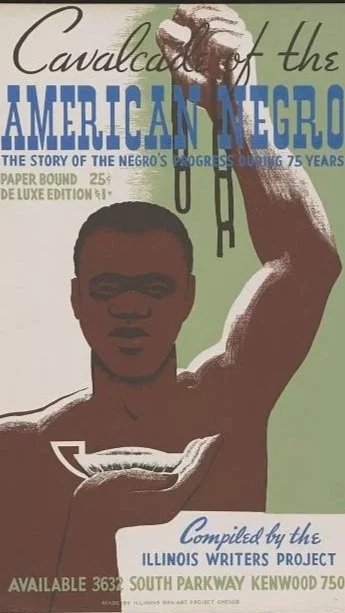
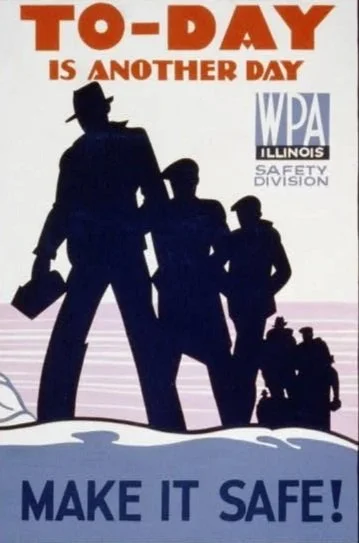
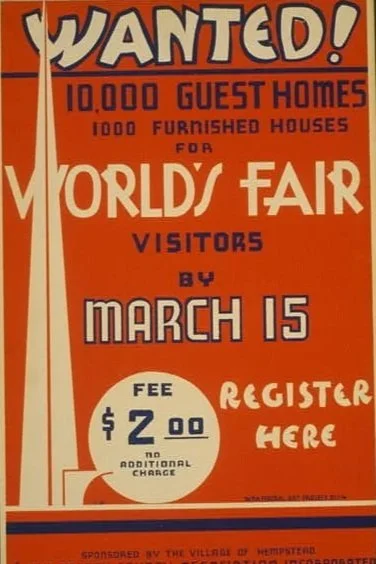
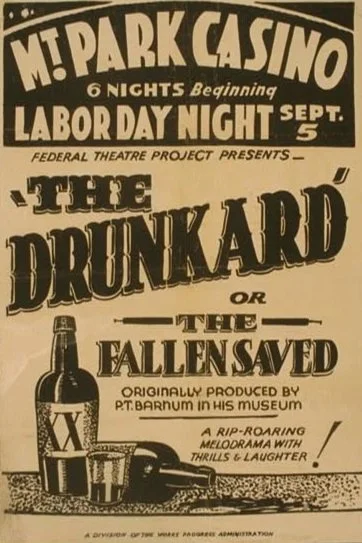
I’ve always been drawn to the posters of the Works Progress Administration (WPA) because they are the ultimate "set design" of the 1930s. Created during the New Deal, these posters weren't just government notices; they were a massive, public effort to reshape the American narrative during a time of total crisis.
I love using these visuals in our rehearsals because they provide a vibrant, primary-source bridge to the past. While a textbook might explain the policies of the Great Depression, a WPA poster shows you the values, the fears, and the aspirations of the people living through it.
For me, these posters represent the intersection of my two passions: academic history and artistic expression. They remind us that history is something that was lived, seen, and felt. When we analyze a WPA print together, we aren't just looking at a piece of art; we are deconstructing a deliberate piece of the American script, helping us build an understanding of the New Deal that is both technical and deeply resonant.