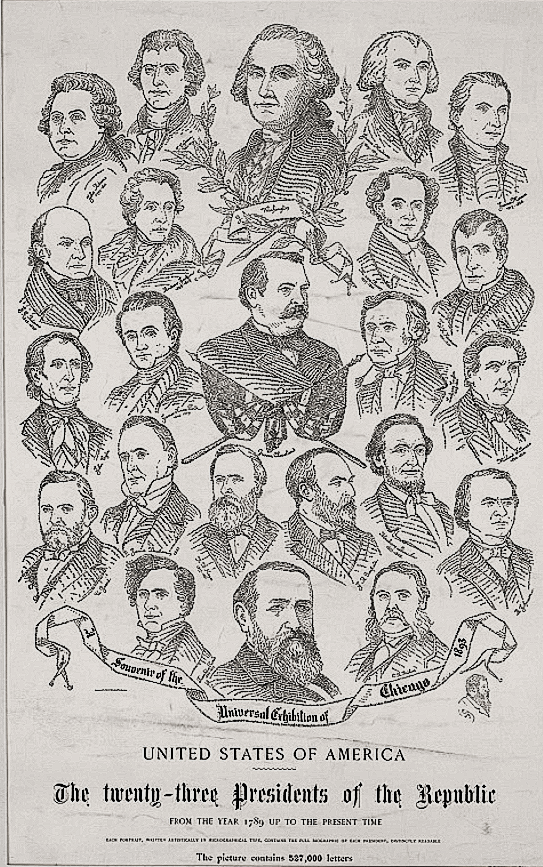
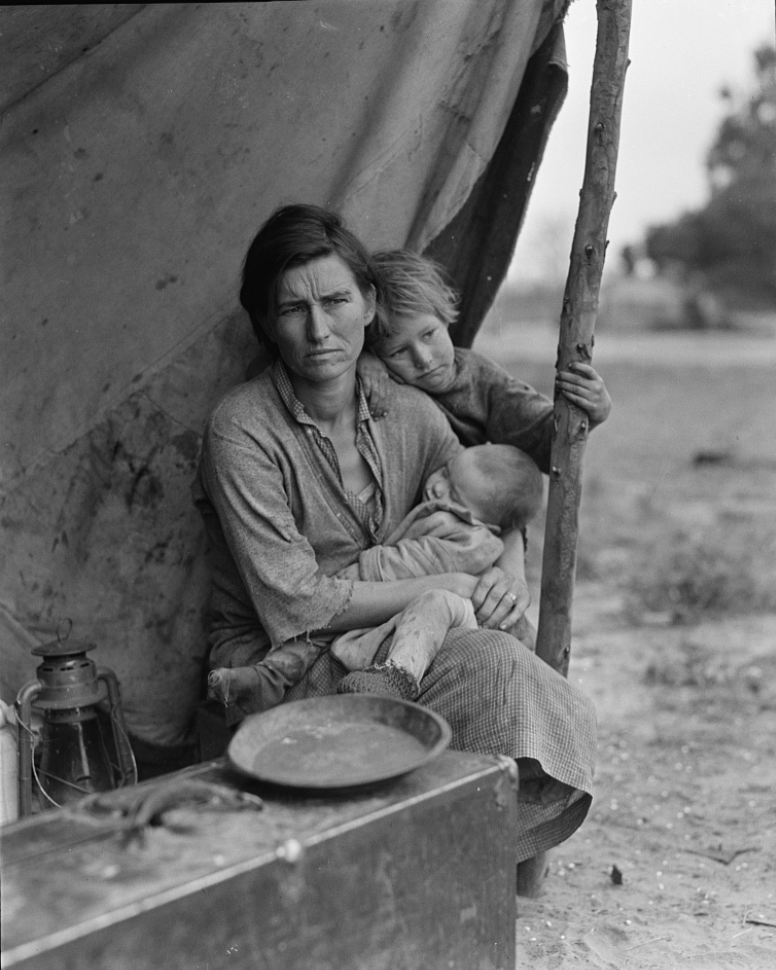
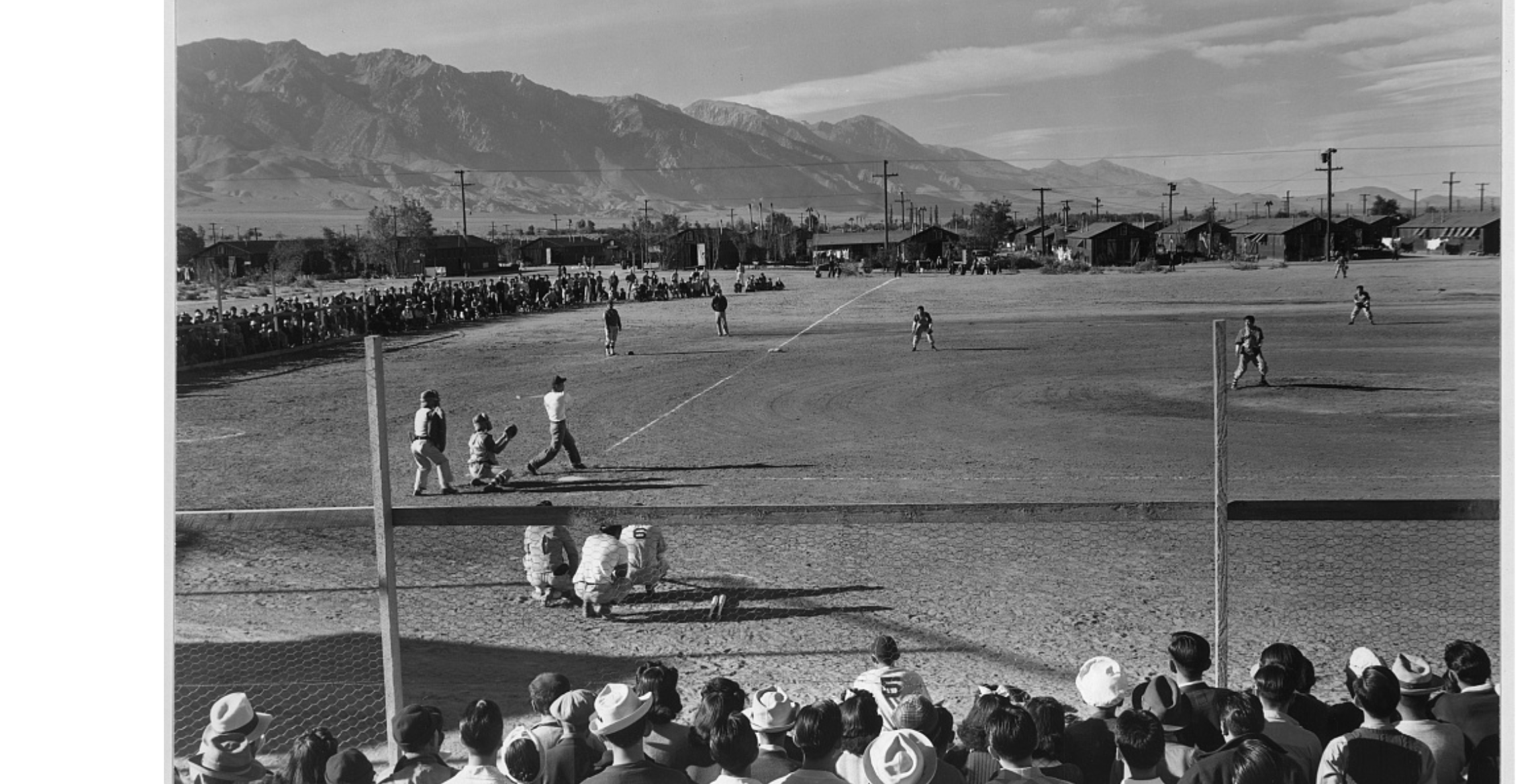
Just because the pictures are black and white doesn’t mean the history has to be.
Go behind the scenes and Back in time. deconstruct the national narrative and master the AP test like a real historian.
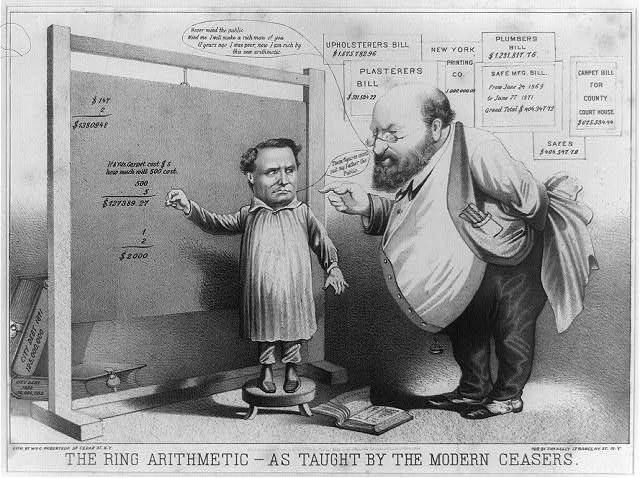
Ready for the big show on May 8th? Join our high-intensity 6-week APUSH Tech Course! Each Saturday, we will do a deep dive of each section of the exam together and sharpen the skills that will lead you to a 5 star performance. Secure your pass for $10 off your standard rate and let’s get APUSHing!
ENROLLING NOW
◆
APUSH TECH
◆
ENROLLING NOW ◆ APUSH TECH ◆
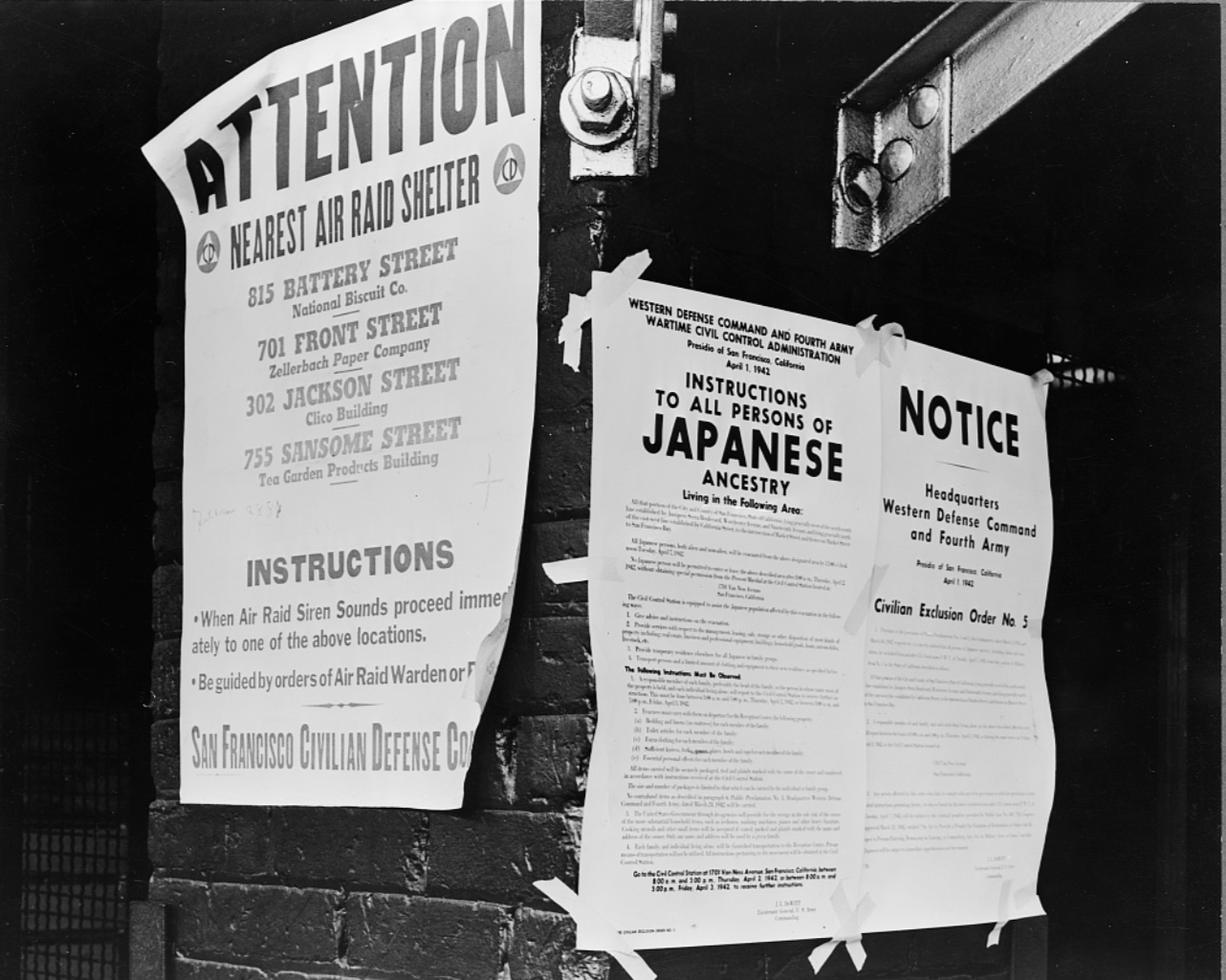
Deep history, real understanding. Thoughtfully crafted to Master the AP Exam.
At Backstage History, we step behind the curtain to deconstruct the "why" and the "how." My approach is built on over a decade of experience in the Oakland Unified School District and a career-long commitment to making the American story resonant, emotional, and accessible.
As a father and a career educator, I believe history is a living, breathing legacy. My pedagogy is designed to move beyond the dry lecture and into the "backstage" work of critical thinking and artistic expression. By blending academic rigor with a relatable, non-competitive style, I help the next generation of the "backstage crew" find their own voice in the American narrative.
Flipping the script on APUSH prep
The Standard Script: Dry lectures, endless flashcards, and the high-pressure stress of a looming exam.
The Backstage Reality: A 5 on the AP test isn’t about memorizing the most facts; it’s about mastering the craft of the argument. As an official AP U.S. History Reader for the College Board since 2020, I’ve seen thousands of exams and know exactly what separates a good response from a great one.
We flip the script by moving away from rote memorization and toward collaborative deconstruction. I provide the "insider" scaffolding—teaching you how to read the rubrics, analyze the documents, and build a narrative that scorers are looking for. We don’t just study for the test; we master the performance, ensuring you walk into the exam with a deep understanding of history and the technical confidence to excel.
The Method
✪
The Method ✪
History in Full Color: My Teaching Philosophy
Most students see APUSH as a black-and-white checklist of dates, names, and dry documents. But history isn't a static script; it’s a high-stakes drama. At Backstage History, my mission is to move students past the memorization trap and into a deeper, more intuitive understanding of the American narrative.
What sets my approach apart isn't just what I teach, but how we build the performance. My methods are built on three core pillars:
1. Proprietary Frameworks, Not Templates
I don’t believe in "one-size-fits-all" tutoring. I provide my students with a specialized toolkit—like the RWEB method for Multiple Choice and the Opening Crawl for Contextualization—that turns complex College Board rubrics into repeatable, manageable systems. We don't just write an essay; we engineer an argument.
2. Story-Driven Learning
I teach history as a series of connected plots. When students understand the motivation behind a historical movement or the drama of a specific era, the facts follow naturally. By framing the curriculum as a narrative, I help students find the "Full Color" reality behind the textbook, making the content easier to remember and far more engaging to study.
3. Collaborative Coaching
I see myself as a director and a collaborator, not a lecturer. My sessions are high-energy, supportive, and focused on building confidence. I create a backstage environment where it’s safe to ask the tough questions, "debug" logical errors, and rehearse the skills necessary for success. We work together to ensure that by the time "Opening Night" (Exam Day) arrives, every student is ready for a 5-star performance.